Skip to Content

Empowering Communities Through Sustainable Development Projects

To support the success and sustainability of community-level projects, GDfH carries out a thorough pre-assessment of the project area and its communities. This process is designed to uncover the real needs, ambitions and structural barriers people face. A multidisciplinary team evaluates the findings alongside expert input from practitioners in the field. This collaborative approach helps ensure that development projects are thoughtfully adapted to each community’s context and built on principles of sustainability, substantial impact, feasibility and strong alignment with local conditions.

All necessary evaluations and cost estimations are prepared based on local and international market prices, supplier availability and implementation requirements. A comprehensive project proposal concept is available for each project to help donors and funding partners make informed funding decisions.

Once funding is available, GDfH provides or coordinates ongoing advisory and operational support, delivered by its team or qualified partners, to monitor project implementation, assess progress and support responsible project management. GDfH keeps donors informed from the pre-donation information stage through to final impact reporting.

Your benefits as a donor

1
Donation receipt For tax or reporting purposes where applicable
2
Project updates Information about project progress at key stages
3
Direct communication With project beneficiaries where appropriate
4
Final impact report Understand implementation & impact

Choose a community project

Review the downloadable project proposal available for each project to understand its community context, expected impact, funding requirement and implementation concept before contributing.

Solar Sprinkler Irrigation Project

Kowai Town, Kpaai District, Liberia
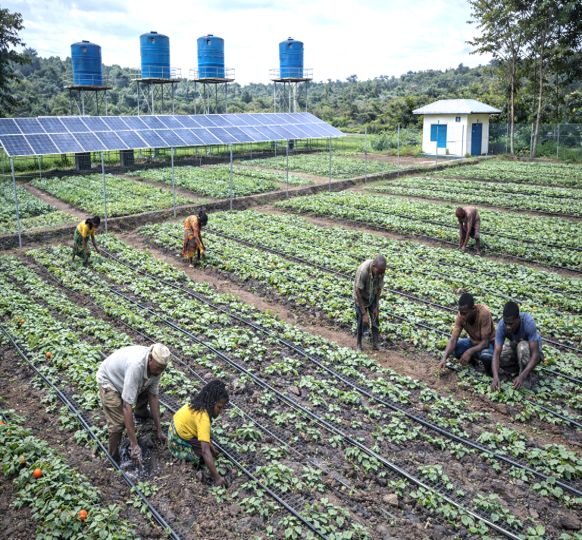
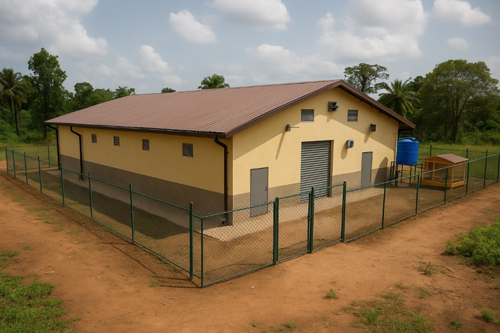
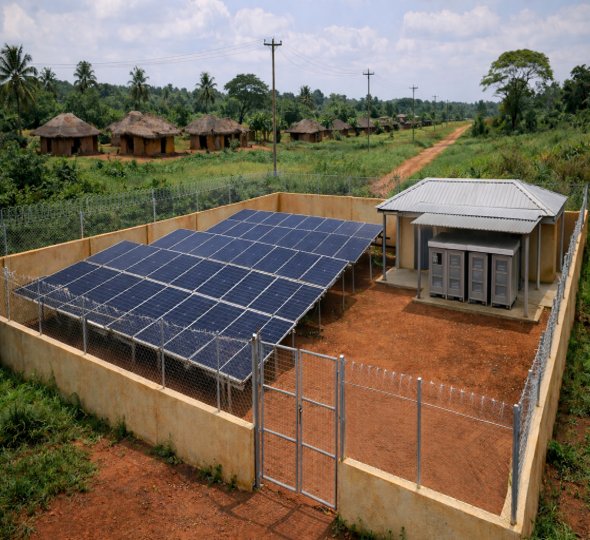
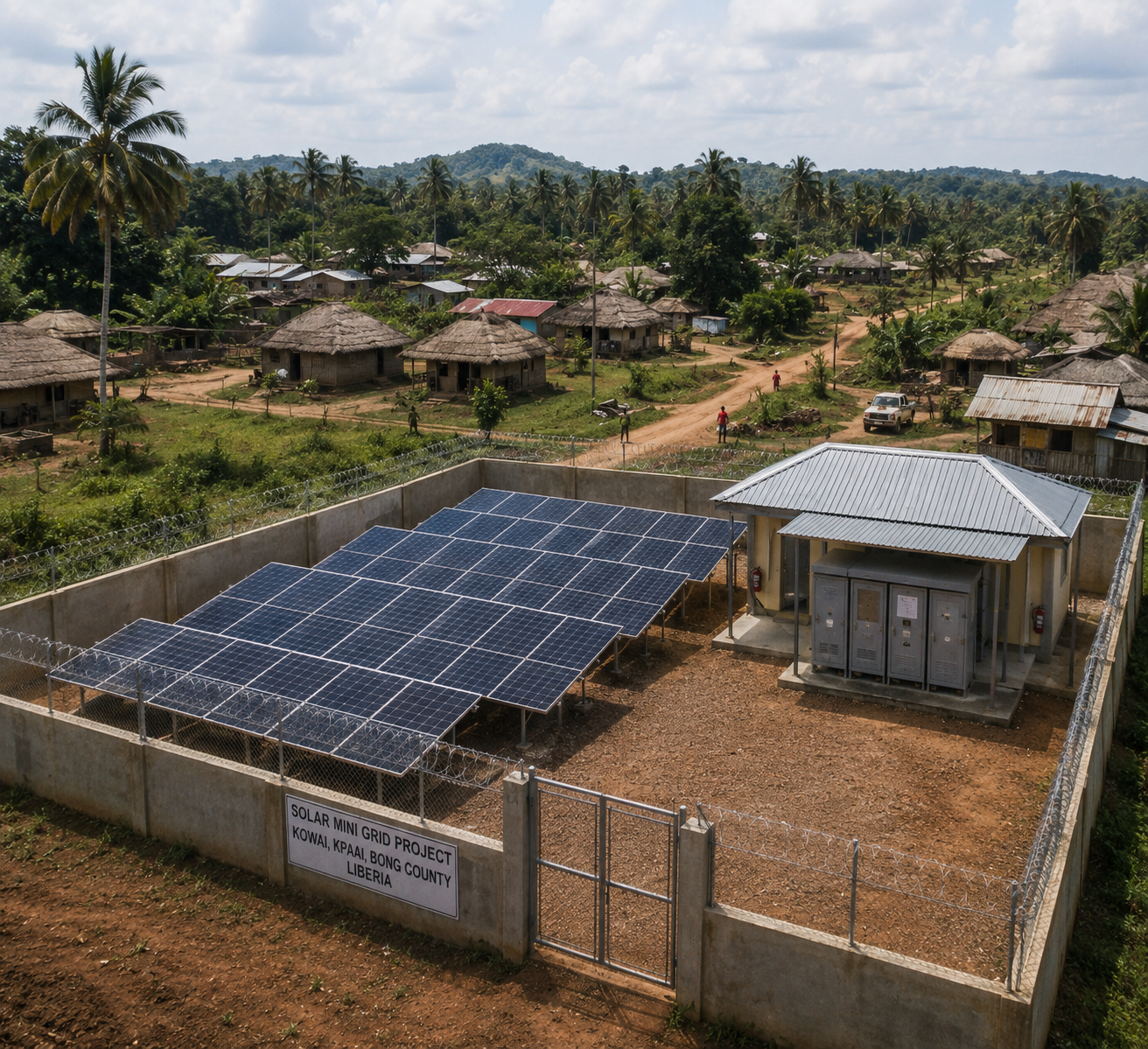
Solar Sprinkler Irrigation Project AI-generated project visualization

The purpose of the project is to install a solar-powered sprinkler irrigation system, covering 2 hectares of farmland. The systems will enable year-round farming, reduce water wastage, strengthen climate resilience, and enhance food security. The project is projected to boost farmers’ income by around 26%. Solar and PV projects are particularly successful in this area due to the high number of hours of sunshine.

Number of Beneficiaries 180 People (30 Households)
Current average monthly income ($) $53
Project induced expected income (+$) +$14
System Capacity 2 hectares of farmland
Agricultural Impact +8 tons of crop output 35% water savings
Funded 0% Needed Investment $11,919

Solar Sprinkler Irrigation Project

Sawula, Pujehun District, Sierra Leone
Solar Sprinkler Irrigation Project AI-generated project visualization

The project will establish a 2-hectare solar-powered sprinkler irrigation system managed by two farmer groups. This system will enable year-round vegetable production, strengthen climate resilience, and improve food security through higher yields, reduced losses, and expanded dry-season farming. The project is expected to increase farmer incomes by around 57%. Solar and PV projects are particularly successful in this area due to the high number of hours of sunshine.

Number of Beneficiaries 180 People (30 Households)
Current average monthly income ($) $25
Project induced expected income (+$) +$15
System Capacity 2 hectares
Agricultural Impact 14 tons of vegetables/yr, 40–50% higher water efficiency
Funded 0% Needed Investment $12,662

Improved Cooking Systems Project

Kowai Town, Kpaai District, Liberia
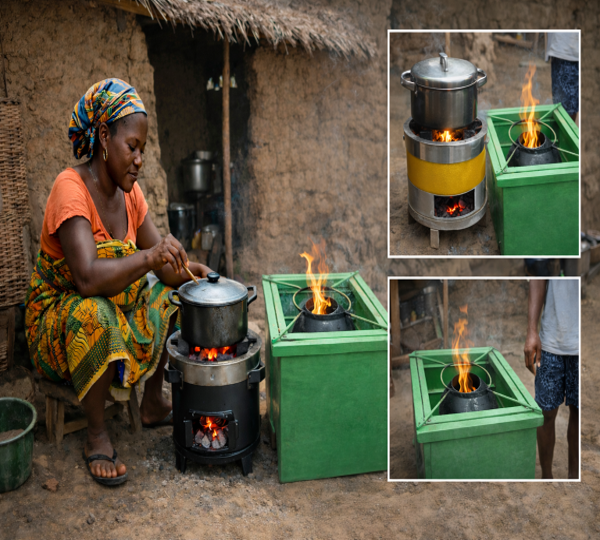
Improved Cooking Systems Project AI-generated project visualization

The project introduces Improved Eco-Cook Stoves for households and small agro-enterprises, reducing firewood use, lowering CO₂ emissions, and improving indoor air quality. It also saves time previously spent on collecting wood. While firewood is freely gathered, the project delivers important health and efficiency benefits, significantly improving overall household well-being.

Number of Beneficiaries 600–700 People (100 Households)
Current average monthly income ($) $53
Project induced expected income (+$) +$50 (annually)
Fuel-Cost Savings Reduction of firewood (worth $5/month/family)
Environmental Impact 450 t CO₂ saving/year; 250 t firewood saving/year
Health Impact ≥60% reduction in smoke exposure
Funded 0% Needed Investment $13,125

Improved Cooking Systems Project

Sawula, Pujehun District, Sierra Leone
Improved Cooking Systems Project AI-generated project visualization

The project will introduce improved and efficient cookers, replacing traditional firewood cooking, reduce deforestation, eliminate indoor smoke, and free up the time spent collecting wood. Although firewood is mostly freely collected, the system still delivers important indirect benefits through better health, higher efficiency, and improved household well-being.

Number of Beneficiaries 600–700 People (100 Households)
Current average monthly income ($) $25
Project induced expected income (+$) +$2 (savings)
Fuel-Cost Savings $60 per household/year
Environmental Impact 400 tons of CO₂ saving/yr; 5.15 tons of firewood saved/yr/HH
Health Impact 60% reduction in smoke exposure
Funded 0% Needed Investment $13,545
For companies, foundations and institutional partners Connect a community project with your ESG/SDG goals Explore tailored project funding, implementation and impact-reporting opportunities with GDfH.
Explore ESG/SDG partnerships →
Questions before making a major contribution? Discuss a community project with GDfH Request further details, clarify implementation plans or speak directly with our team. Contact options

Leave a short project enquiry

Select the relevant project so our team can respond with the right information.